Back to basics: Fighting for women’s rights under the Taliban
Women in Afghanistan have not stopped striving for their rights, and neither should we
Summary of country-wide women’s consultations
July 2024
April 2024
What do Afghan women want? Summary of country-wide women’s consultations
February 2024
“We hope our message will resonate ...” Summary of country-wide women’s consultations
December 2023
"They have silenced women’s voices” Summary of country-wide women’s consultations
September 2023
More summaries
On International Women’s Day, the UN Calls for Urgent Investment in Afghan Women and Girls—The Key to Afghanistan’s Future
From UN Women Afghanistan to all the Afghan women and girls we serve
16 DAYS OF ACTIVISM: TOWARDS BEIJING +30: UNiTE TO END VIOLENCE AGAINST WOMEN AND GIRLS
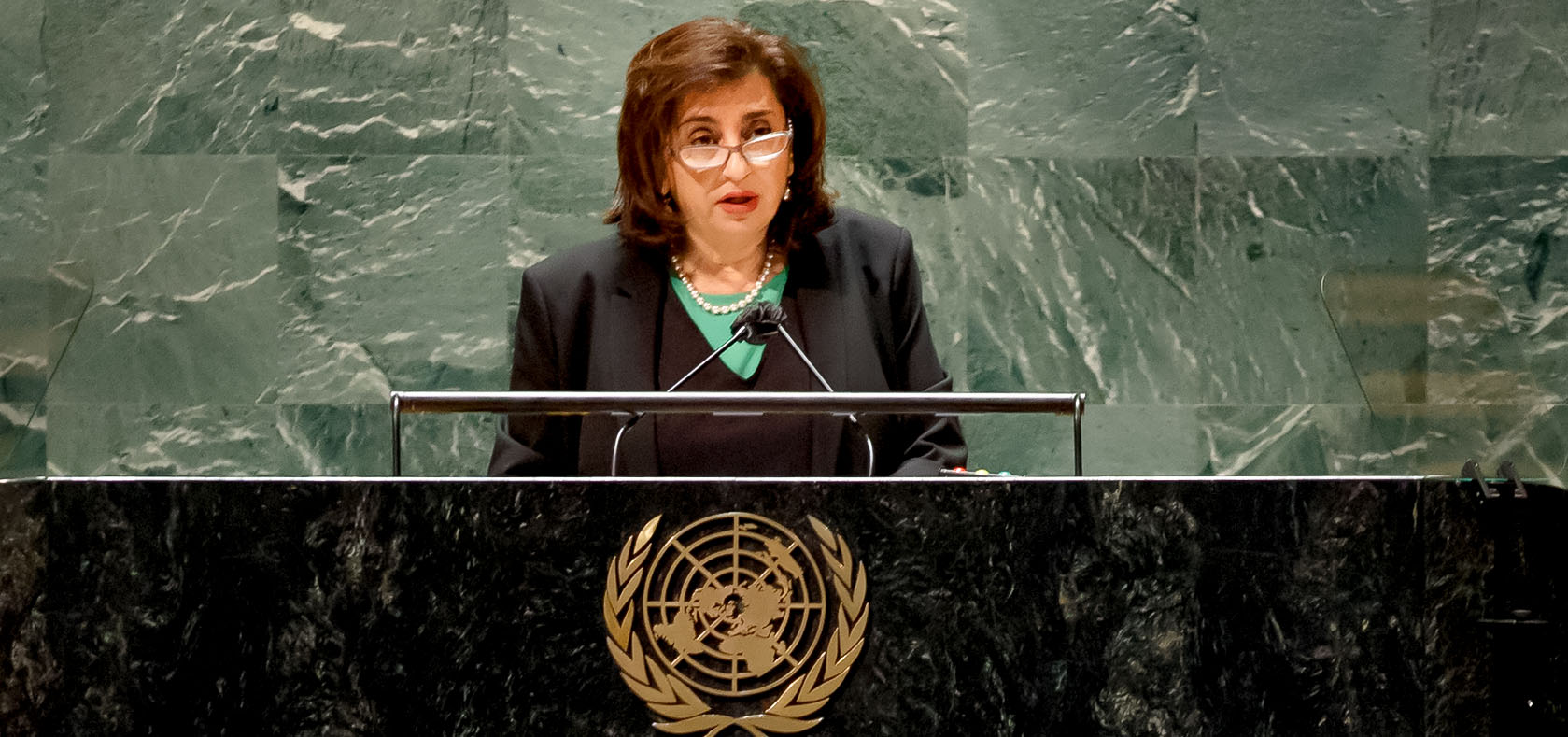
Statement on Afghanistan by Sima Bahous, UN Under-Secretary-General and Executive Director of UN Women
More statements
In Focus: Afghan women and girls push for their rights over three years of Taliban rule
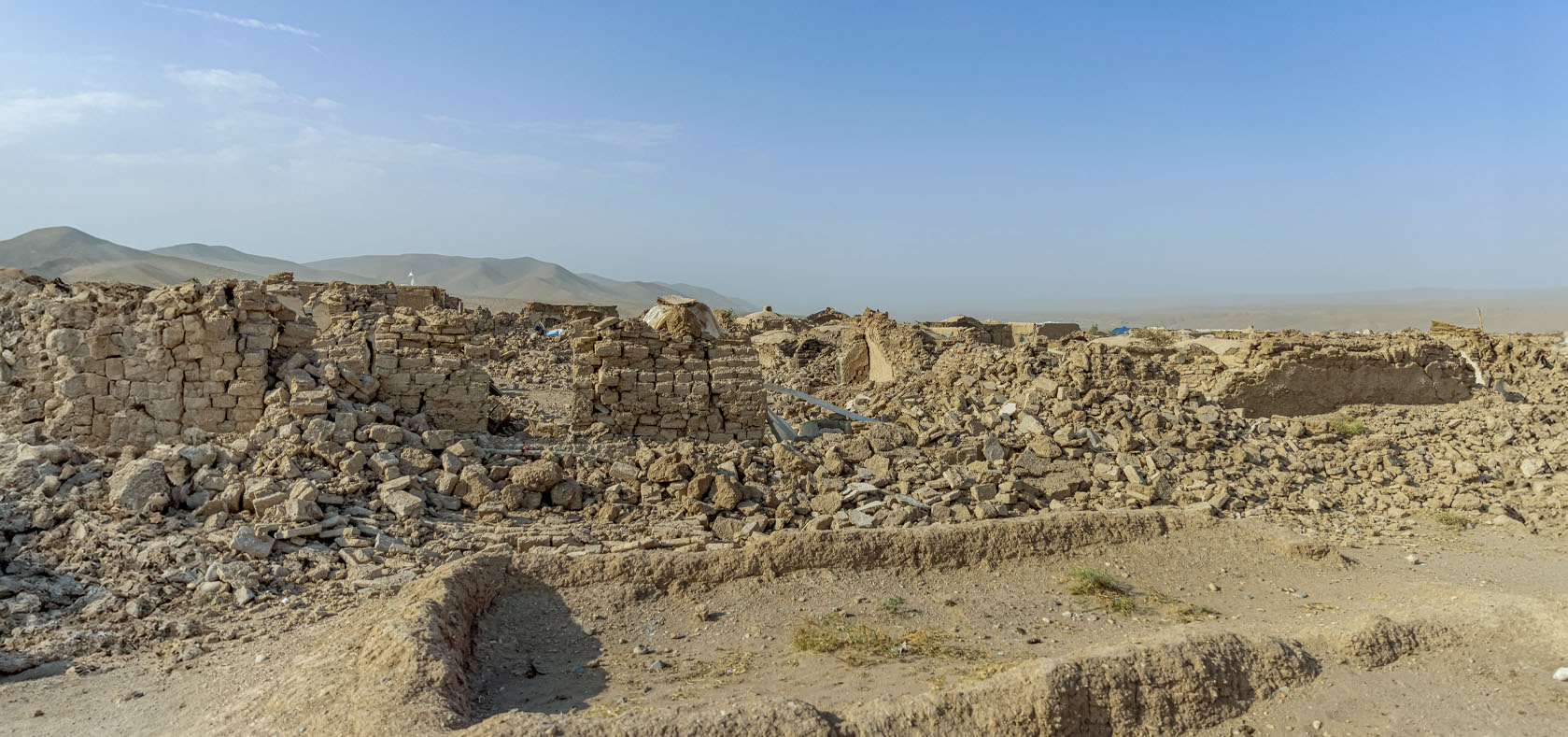
A day in the life of a surveyor assessing those most in need of post-earthquake assistance in Afghanistan
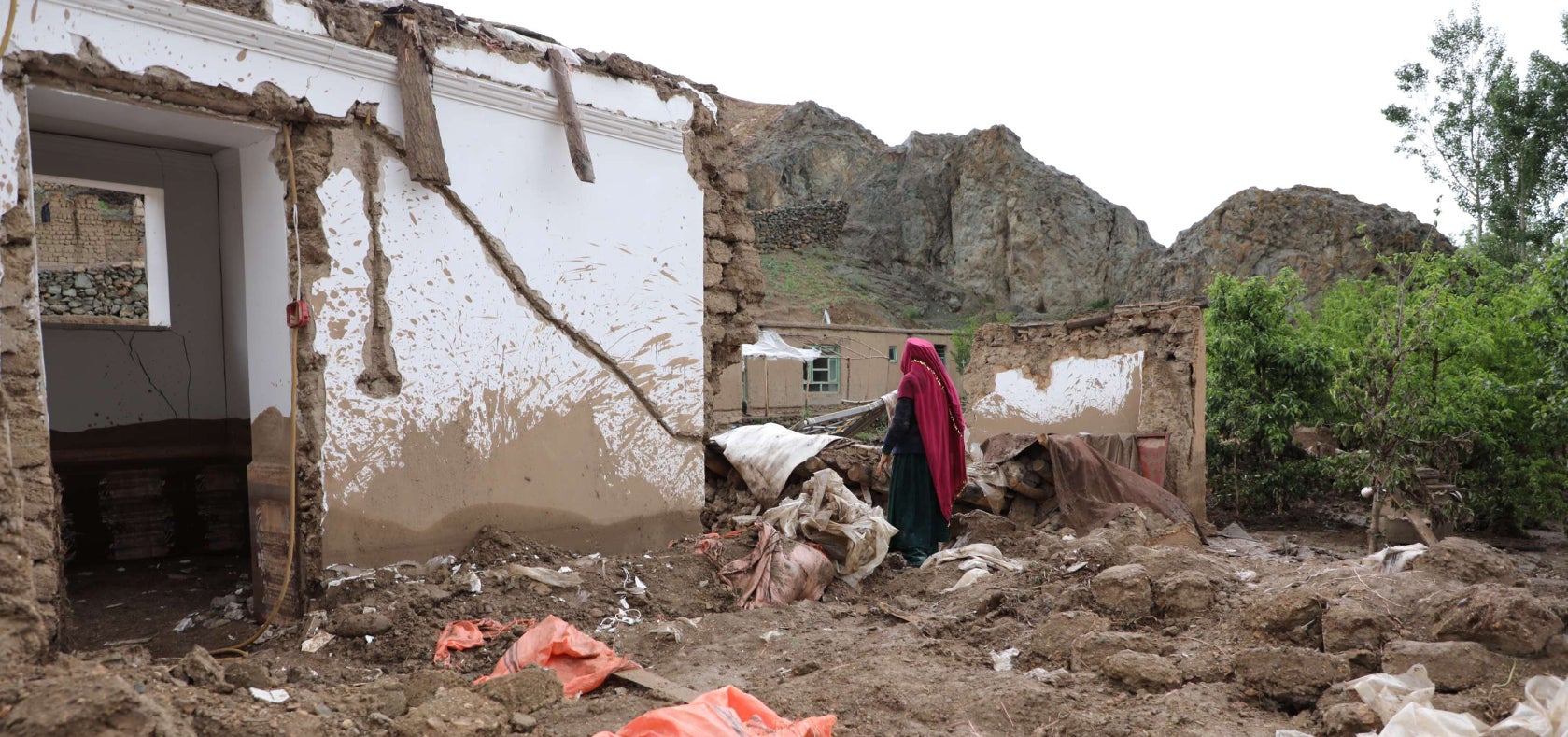
In the words of Hamida*: “The horror of the flood killed the child in his mother’s womb”
In the words of Lina*: “Women want the right to make decisions, not just in their homes but in government and other spaces”
Rebuilding the women’s movement in Afghanistan, one organization at a time
Responding to the needs of forced returnee Afghan women and girls
Begum TV broadcasts awareness of women’s rights, education and hope into millions of Afghan homes
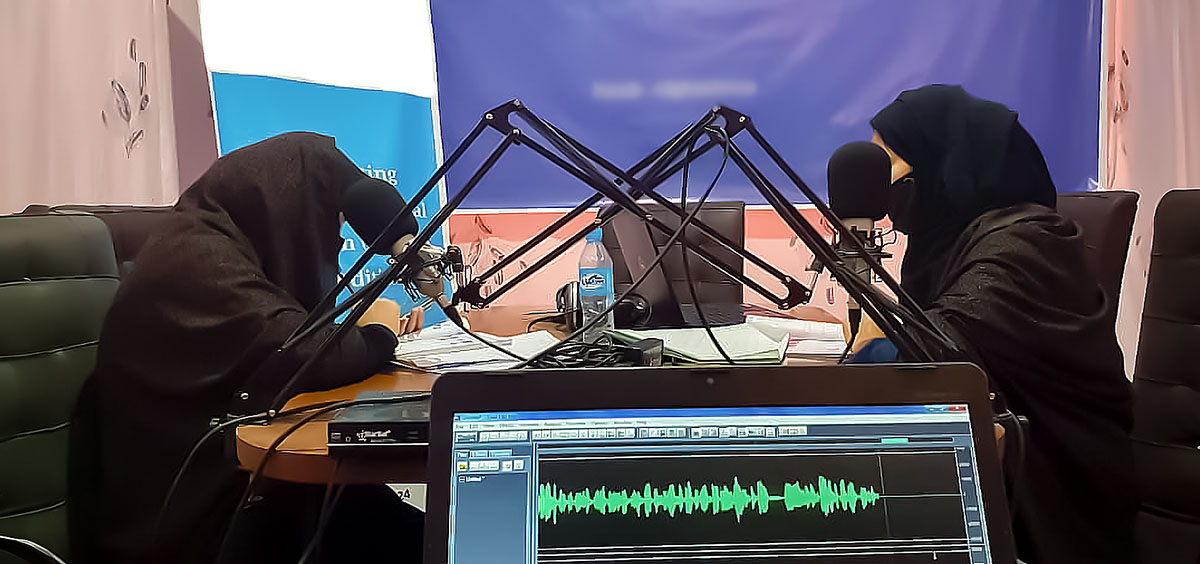
Local women-run radio station helps Afghan women claim their rights
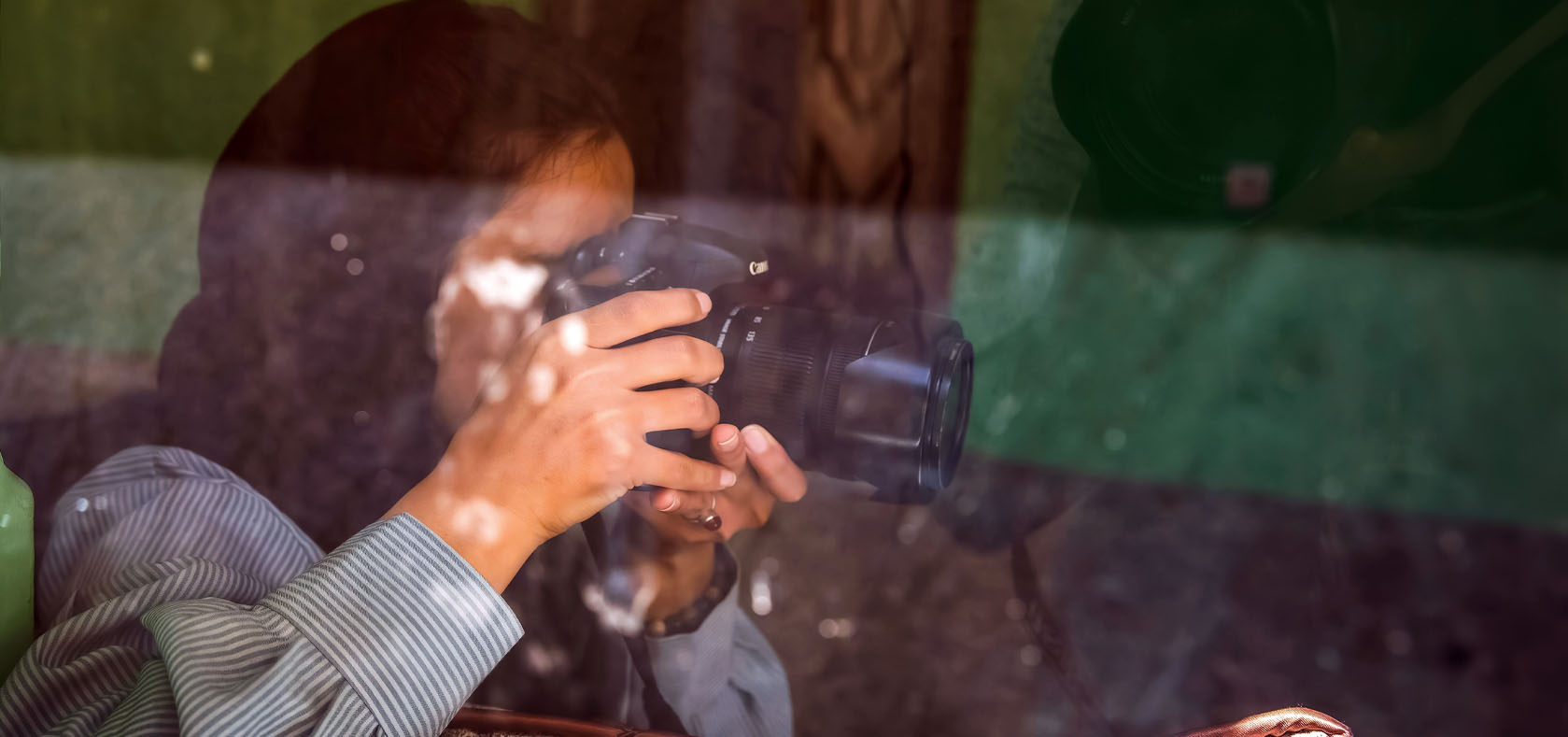
Storytelling training inspires Afghan women to believe in themselves
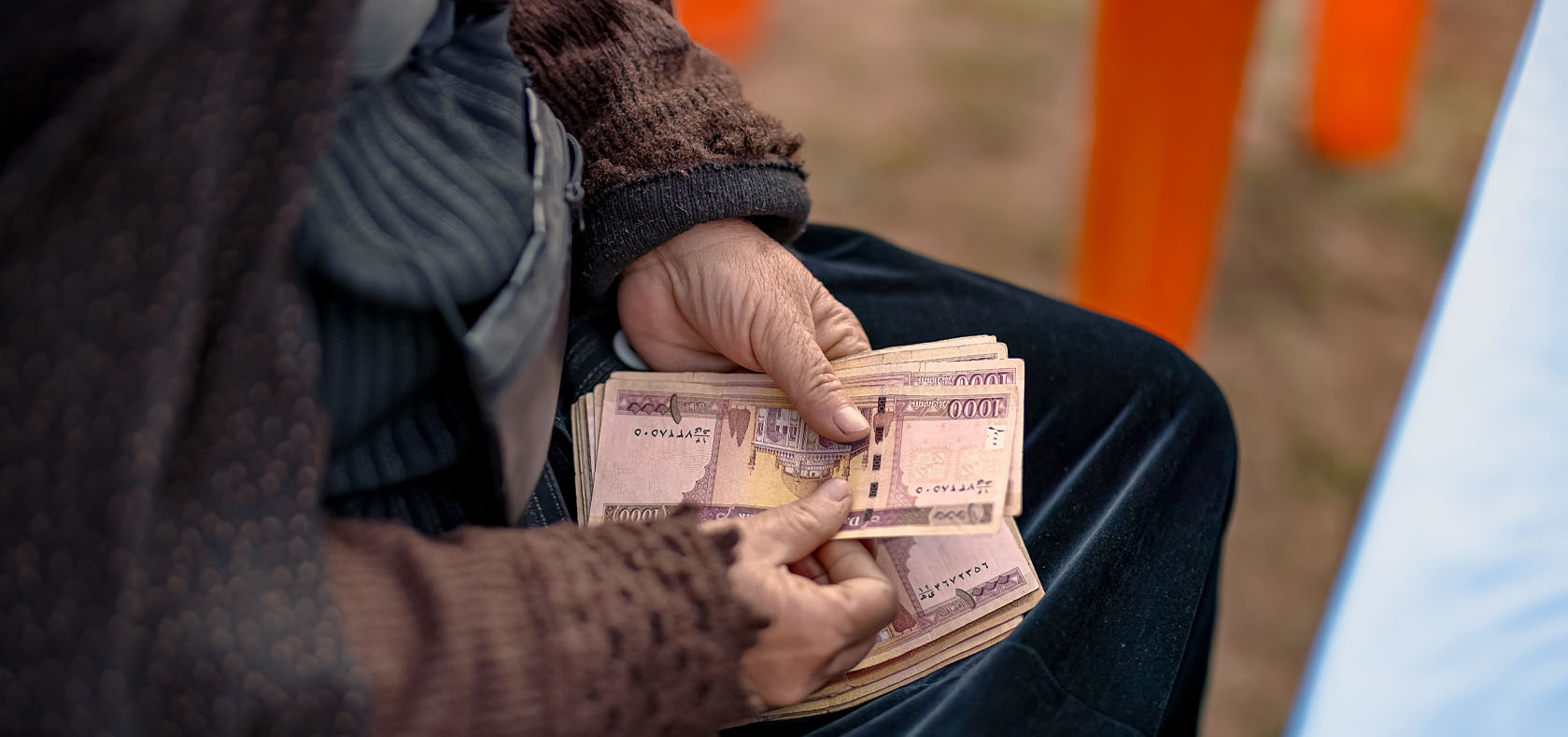
Cash assistance enables Afghan women to weather the harsh winter
More stories
Gender country profile — Afghanistan
No power but incredible strength: The stories of Afghan survivors
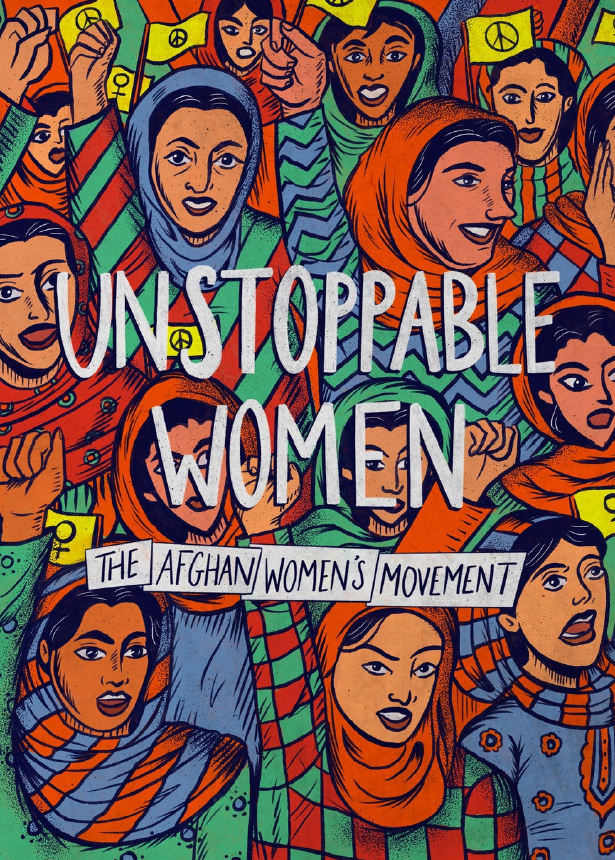
“Unstoppable Women” The Afghan Women’s Movement
More publications









![[cover]](/sites/default/files/2024-03/af-cx-survivors_comic-960px.jpg?t=1711699274)